
Career Development & Capability Framework Consultancy
Let’s Talk Talent builds career frameworks, capability frameworks, and skills gap analyses for organizations across the UAE, turning “How do I get promoted here?” into a written answer. It matters most in a labor market where the quickest route up can otherwise become the route out.
We map career frameworks, leveling matrices, and skills taxonomies to the evidence of what people actually deliver, using our STAR model, reimagined for the UAE and backed by around 30 years of global practice, the expertise behind our 2025 HR Consultancy of the Year and L&D Supplier of the Year wins. It’s built to connect directly with your performance management conversations and your wider people strategy, and to feed the learning and development programs that close the gaps it finds.
How Let’s Talk Talent Can Help Your Team
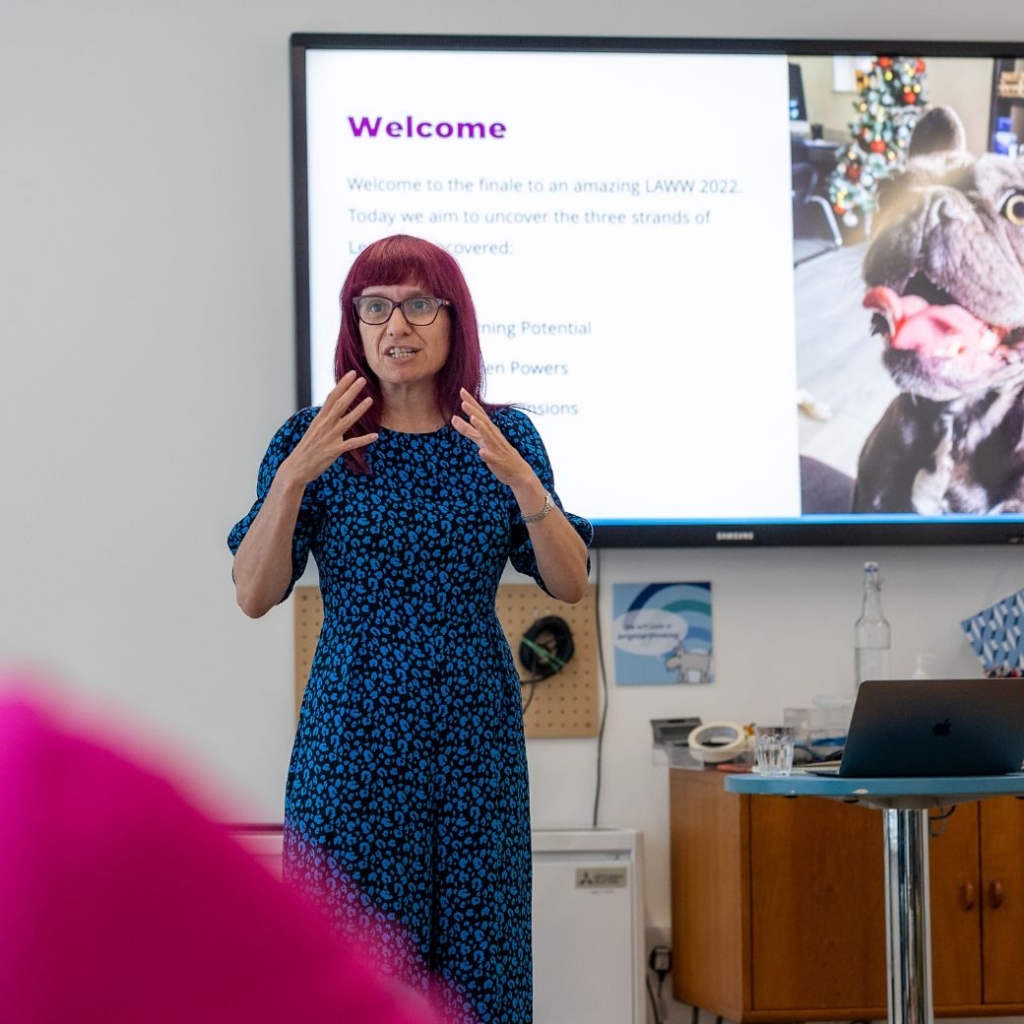
Careers & Capability Services
Every engagement starts with your business context, not a template framework. We want the growth plan, the operating model, where you struggle to hire, whether you sit on the mainland or in a free zone, and what your leaders believe “good” looks like. Career architecture built without that conversation describes a company you are no longer. Our wider HR and organizational development consultancy shows how this pillar connects to everything else.
From there, the work is modular and blended. Some organizations need the full picture: job architecture, levels, capability framework, skills map and progression criteria. Others need one strand done properly, such as a career framework for a single job family or an Emiratisation development pathway. We deliver through diagnostics, facilitated design sessions, workshops, bootcamps, coaching, and 360-degree feedback, in person, virtually, or in a hybrid format. Everything is co-created, so your team can run and update it once we leave.
Career Frameworks & Progression Pathways
Making “How do I get promoted here?” a question with a written answer.
A career framework sets out the levels in your organization, the roles at each level, and the skills, behaviors and impact expected to move between them. We build them, job family by job family, so a designer, an engineer and a client services lead each see a route that fits their real work.
The artifacts are concrete. A leveling matrix describing each stage in plain language. Progression criteria that name evidence rather than vibes. Parallel technical and management tracks, so your best specialists need not become mediocre managers to earn more.
We also design the process around the framework: how promotion cases are made, who calibrates them, and what a person is told when the answer is not yet. Where you already run reviews, we make sure the two systems agree rather than sending mixed messages. This is where careers and performance management meet.
- Job architecture, job families and level design
- Leveling matrices with plain-English descriptors for each stage
- Progression criteria and evidence standards for promotion
- Dual technical and management career tracks
- Promotion calibration process and manager guidance
Best for: scaling businesses where promotion decisions feel inconsistent, organizations losing mid-level talent to competitors with clearer ladders, and HR teams asked to explain how pay and progression connect.

Capability Frameworks & Skills Gap Analysis
Knowing what your people can do, and what your strategy needs them to do.
A capability framework names the skills, knowledge, and behaviors your organization needs to deliver its plan, and describes what each looks like at increasing levels of maturity. Some organizations call it a competency framework. The label matters less than whether managers recognize themselves in it.
Underneath it sits the evidence. We run skills audits and skills gap analyses to establish the capabilities you hold today, build a skills taxonomy so the same skill isn’t called four different things across four systems, and set that against what your strategy requires. The output is a short, honest list of gaps, each with a build, buy or borrow decision attached, a set of choices that can look different in the UAE, where “buy” often means international hiring and “build” is a central plank of Emiratisation and internal mobility strategies.
We use assessment where objectivity helps: live and online 360-degree feedback, plus psychometrics such as Hogan, Saville Wave, KFLA, the GC Index, DISC and Insights. Talent maps and, where useful, a 9-box grid are one input among several rather than a verdict on a person.
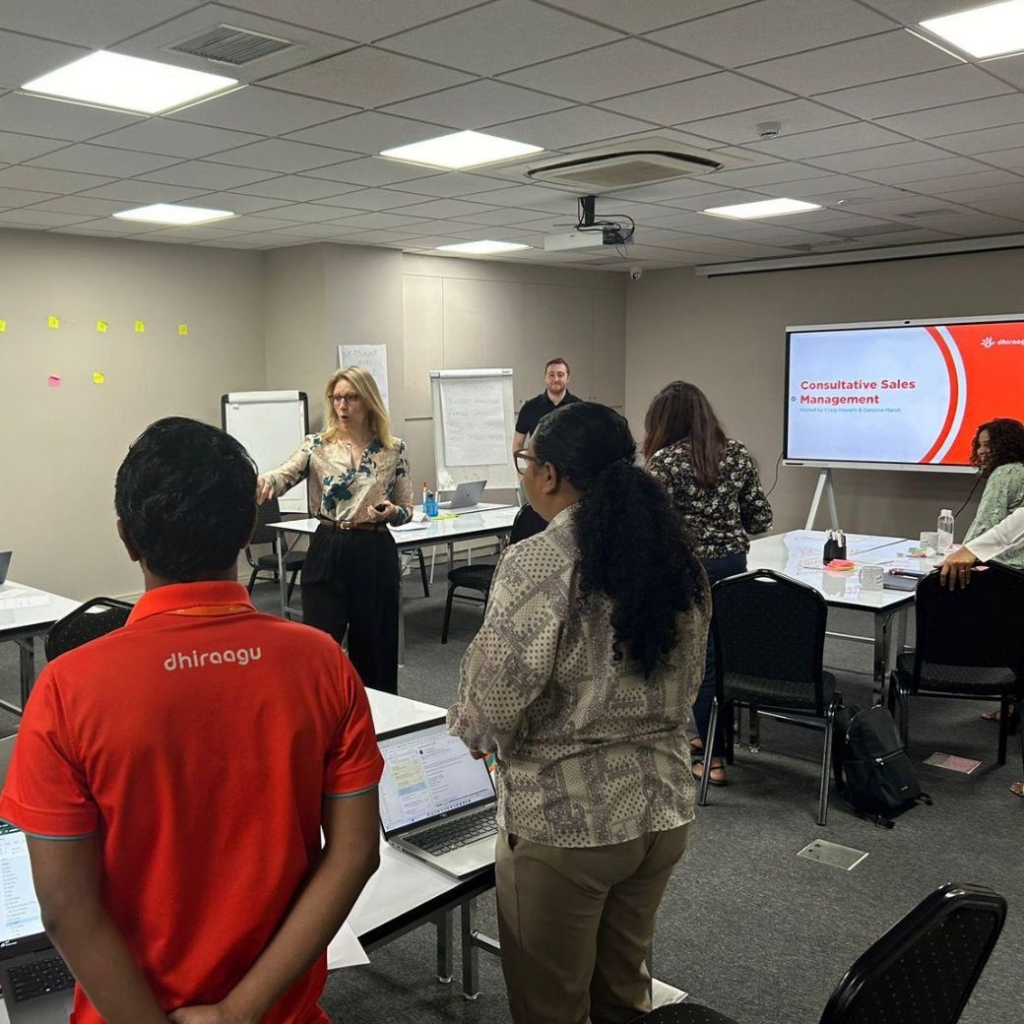
The aim is to inform individual development plans, not to sort people into boxes. Gaps that need to be closed at scale feed into your learning and development strategy.
- Capability and competency framework design, with behavioral indicators by level
- Skills taxonomy and common skills language across HR systems
- Skills gap analysis against your growth or transformation plan
- Talent mapping, calibration sessions and bench reviews
- Individual development plans linked to real progression criteria
Best for: organizations entering a new market or technology and unsure whether the skills exist internally; businesses whose learning spend is tied to no defined capability; and HR teams building an evidence-based workforce plan.
Career Conversations, Coaching & Internal Mobility
Giving ambition somewhere to go before it goes elsewhere.
Frameworks do not develop anybody. Conversations do. Most managers avoid career conversations because they fear making a promise they cannot keep, so we teach a different approach: be honest about what is possible, be curious about what the person wants, and be specific about the next step. That is a learnable skill, and what our manager workshops build.
For employees, we run career workshops that help people articulate what they want, understand the framework, and build a development plan they own. For senior and high-potential people, we offer one-to-one and group career coaching, often paired with a 360 so the plan starts from evidence rather than self-perception.
Then we make the routes real. Internal mobility work covers how vacancies are shared, how sideways moves are valued, and how managers are rewarded rather than penalized for developing people out of their teams. High-potential and talent development programs are also available here, alongside Emiratisation career pathways where relevant.
- Manager workshops on career conversations and development planning
- Employee career workshops, career mapping and self-assessment tools
- One-to-one and group career coaching for senior and emerging talent
- Internal mobility, secondments, stretch assignments and talent marketplaces
- High-potential and talent development program design
Best for: organizations where exit interviews cite a lack of progression, businesses restructuring that want to redeploy rather than lose good people, and managers who are never trained to develop anyone.

What is Career Development?
Career development is the structured process by which an organization helps its people grow their skills, experience and responsibility over time, and makes the routes for doing so visible. It combines the framework that defines progression, the conversations that guide it, and the learning and experience that make it possible.
In practice, career development covers career frameworks and leveling, progression criteria, individual development plans, career conversations, coaching and mentoring, internal mobility, and the learning that closes the gap. It applies to lateral growth as much as promotion. Not everyone wants the next level up; most people want to be getting better at something.
Career development is not the same as training, and it is not an annual form. A development plan without a defined destination is a wish list, and a career framework nobody has explained is a document. Nor does it sit apart from its sibling discipline. What someone delivers now is the best evidence available of what they could do next, and the development you invest in only pays back when it changes how the job gets done. That is why we build career development and performance management to share the same language and the same evidence, so each one feeds the other rather than running as two unrelated processes.
What is a capability framework?
A capability framework is a structured description of the skills, knowledge and behaviors an organization needs, set out at defined levels of proficiency so people can see what “good” looks like at each stage. It gives recruitment, development, progression and workforce planning a single shared vocabulary.
A good capability framework is short enough to be read and specific enough to be used. Ours typically names six to ten organizational capabilities, each with observable behavioral indicators at each level, plus role-specific technical skills organized in a skills taxonomy. That is what makes a genuine skills gap analysis possible.
What is a skills gap analysis?
A skills gap analysis compares the capability your strategy requires against the capability you hold today, so you know exactly where to act. It works in three steps: define what the strategy needs, audit what exists, and decide whether to build, buy, or borrow to fill each gap.
The audit draws on manager and self-assessments, skills data, and, where objectivity matters, 360-degree feedback, all set against a skills taxonomy so the same skill is not named differently across systems. The output is a short, prioritized list of gaps, not a lengthy audit report.
Why Career Development & Capability Building Matter to Your Business

Ambition stays in the building
When people see the next step and what it takes to reach it, fewer go looking for that clarity elsewhere, a real cost-saving in a market where “elsewhere” can be a short taxi ride away.

Managers stop dodging the conversation
A framework gives managers something honest to point at, turning an awkward chat into a useful one.

Promotion stops feeling political
Published criteria and calibrated decisions replace the suspicion that advancement depends on who noticed you.

Skills gaps surface before they bite
A skills gap analysis tells you which capabilities your strategy needs and whether you have them, while there is still time to act.

Cheaper, faster, better hiring
Internal mobility fills roles with people who already know your business, reducing recruitment costs and time to productivity, which is especially significant when external hiring in the UAE involves visa timelines and relocation.

A leadership bench that exists
Talent maps and development plans turn succession planning from a list of names into a pipeline with clear progress, including for Emirati talent being developed for senior roles.
Internal Mobility: Making It Easier to Move Inside Than to Leave
Most organizations make it easier for a good person to change companies than to change jobs. Internal vacancies appear on a portal nobody checks. Managers quietly block moves to protect headcount. A sideways step is treated as a demotion. So the ambitious employee applies elsewhere, and you replace them at full market rate with someone who needs six months to learn what they already knew, and that is before the visa and onboarding costs of an international hire.
Internal mobility reverses that. It means publishing roles internally first, defining what a lateral move is worth, deliberately brokering secondments and stretch assignments, and holding managers accountable for developing people outside their teams rather than hoarding them. Some organizations formalize this as a talent marketplace. Most simply need permission and a process.
The business case is straightforward. Internal moves are cheaper than external hires, faster to productivity, and they retain institutional knowledge you have already paid for. They also signal that this is a place you can grow without leaving. We build mobility into the career framework itself, so movement is designed in, not tolerated.
Our Clients
We work with organizations that take their people seriously, from global media names to research institutions and fast-growing specialists. Clients include BUPA, Netflix, London Business School, Nokia, Vodafone, LIWA Education and Securitas.


Careers & Capability FAQs
What is career development?
We build career development that managers can actually explain, connecting a written framework to individual development plans.
What is a capability framework, and why would we need one?
A capability framework is a structured description of the skills, knowledge, and behaviors your organization needs, set out at defined levels of proficiency. You need one because without it, recruitment, development, progression, and workforce planning all use different vocabulary. Let’s Talk Talent designs capability frameworks with observable behavioral indicators at each level, then links them to a skills taxonomy so a skills gap analysis measures against something real.
How does career development relate to performance management?
Career development and performance management are separate conversations that should be read from the same page. What someone delivers now is the best evidence you have of what they could do next, and the development you invest in only pays back when it shows up in the day job. Run apart, they contradict each other: a review says one thing, a development plan says another, and neither changes the work. Let’s Talk Talent builds both from the same framework and the same evidence, so each one feeds the other. Our performance management consultancy covers that work from the delivery side.
How does a skills gap analysis work?
A skills gap analysis works in three steps: define the capabilities your strategy requires, audit what you have today, and then decide whether to build, buy, or borrow for each gap. The audit uses manager assessments, self-assessments, skills data, and, where objectivity matters, 360-degree feedback. Let’s Talk Talent turns that into a short, prioritized list feeding your HR and people strategy.
Can this work support Emiratisation development?
Yes. Career frameworks and capability maps are among the most useful tools for building genuine Emiratisation progression because they turn “development” into named skills, roles, and next steps rather than a target number. We can build Emiratisation into an organization-wide framework or design a focused pathway for national talent.
Who is this work for?
This work is for HR directors, people leads, heads of talent, and L&D leads who own progression and skills, and for the line managers who make it real. Employees benefit directly through career workshops and development planning. Let’s Talk Talent designs for all three audiences at once, because a framework only the HR team understands changes nothing.
Do you use the 9-box grid?
We use the 9-box grid where it helps and treat it as one input among several rather than a verdict on a person. It is useful for structuring a talent conversation and spotting where development attention is missing. It is unhelpful when a box becomes a label. Let’s Talk Talent pairs it with 360 feedback and manager insight.
How long does it take to build a career framework?
A career framework for a single job family, or a focused skills gap analysis, typically takes 6 to 10 weeks. An organization-wide career and capability framework usually runs 3 to 6 months, with embedding continuing afterward. Let’s Talk Talent phases delivery so early job families launch while later ones are still in design.
Can this work for hybrid, remote, and global teams?
Yes. Career frameworks travel well because they describe skills and impact rather than presence, which matters most for distributed and multicultural teams. We deliver design sessions, manager workshops, and career coaching in person, virtually, and in hybrid formats, and we build frameworks that hold across multiple countries while allowing for local nuance. Let’s Talk Talent has around 30 years of global experience doing exactly this, including through organizational change and transformation.
How do you measure whether career development is working?
We agree on measures before the work starts. The usual set includes internal fill rate, promotion and lateral move volumes, regretted attrition in critical roles, the proportion of employees with a current development plan, and manager confidence in holding career conversations. Let’s Talk Talent reports on a short list your board will recognize, reviewed at agreed intervals rather than once at the end.
How can Let’s Talk Talent help, and what support continues afterward?
Let’s Talk Talent can build the whole career and capability architecture with you or fix the single piece holding you back, then stay involved for as long as it is useful. Ongoing support includes annual framework reviews, refresher workshops for new managers, coaching for individuals, and team-level work through our people and team development pillar. Every engagement is scoped and quoted after a discovery conversation.
Ready to Give Your People a Straight Answer About Their Future?
Tell us where the progression is breaking down and what your plan needs people to do. We will tell you honestly what a sensible piece of work looks like. The first conversation is free.
Case Studies
Empowering career growth amid organisational change for a global mass media conglomerate—career pathways and development conversations rebuilt while the organisation around them was redesigned, giving people a future to hold onto.
Developing a scalable management and leadership capability at ManyPets — a defined capability standard for managers that grew with the business instead of being outgrown by it.
Live 360 assessments with Halcyon.ai — structured feedback that gave senior people an evidence-based starting point for their development plans
More client work sits in our case study library.
Career Development & Capability Resources
We publish practical guidance for HR teams, managers, and business leaders, written by the practitioners who deliver the consultancy work. If you are building career pathways or working out where your skills gaps sit, start here.
The power of three: how managers, mentors and coaches drive career growth — why one person cannot be everything to a developing employee.
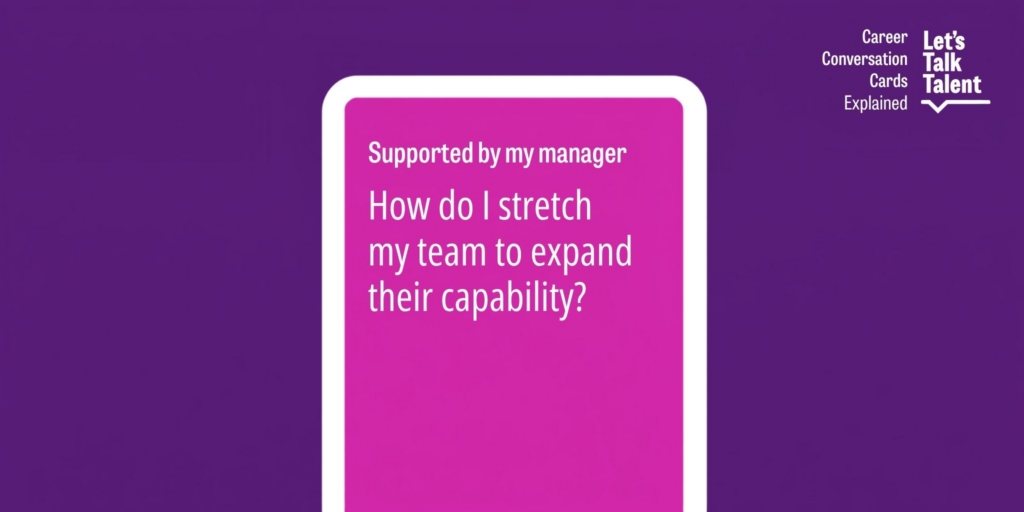
How do I stretch my team to expand their capability? — growing capability through the work itself rather than another course.
Why company succession planning could save your business — the risk of an unmapped bench, and how career frameworks feed the pipeline.
11 key changes in talent management over the past decade — how expectations of careers, skills, and progression have shifted.
Everything else lives in our learning and insight hub.